Gynecomastia surgery is generally performed under anesthesia, so patients should not feel pain during the procedure itself. After surgery, some soreness, tightness, swelling, bruising, or tenderness can occur as the body begins to heal. The intensity of discomfort varies according to the surgical technique used, the amount of tissue removed, and individual sensitivity. Most patients describe the early recovery period as manageable rather than severely painful. Before treatment, the surgeon can explain what sensations to expect and provide detailed instructions designed to make the recovery period as comfortable and predictable as possible.
What Does Recovery Feel Like?
Immediately after Gynecomastia surgery, patients may experience pressure, tightness, or mild-to-moderate discomfort around the treated area. These sensations are commonly associated with swelling and normal healing rather than ongoing severe pain. Your surgical team may recommend prescribed or over-the-counter medication, depending on your individual circumstances and medical history. Wearing a compression garment as directed can also support the healing process and help manage swelling. Following postoperative instructions carefully is important because appropriate rest, wound care, and activity restrictions can contribute to a smoother recovery and help minimize unnecessary discomfort.
Does the Surgical Technique Affect Pain?
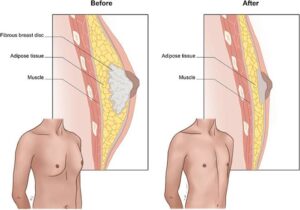
The type of procedure can influence postoperative discomfort. Liposuction typically involves small incisions and may produce soreness, bruising, and swelling as the tissues recover. Surgical excision of glandular tissue can involve more direct tissue removal and may create additional tenderness around the incision area. Some men require both liposuction and excision to achieve the desired chest contour, which can affect recovery. However, discomfort varies considerably from patient to patient. An experienced cosmetic surgeon can select techniques based on individual anatomy and explain how the planned approach may influence healing, activity restrictions, and short-term discomfort.
How Long Does Discomfort Last?
Pain and tenderness generally decrease as healing progresses, although the exact timeline differs among patients. The first several days may involve the greatest amount of swelling and soreness, while subsequent weeks typically bring gradual improvement. Some residual sensitivity or tightness can persist as the tissues settle and scars mature. Patients should avoid strenuous activity until their surgeon confirms that it is safe to resume normal exercise. Rushing back to demanding physical activity may interfere with healing. Attending scheduled follow-up appointments allows the surgeon to monitor recovery and address concerns promptly if unexpected symptoms develop.
Tips for a More Comfortable Recovery
Preparing for recovery can make the experience easier. Patients should arrange transportation after surgery, organize a comfortable place to rest, and follow all medication and wound-care instructions provided by their surgical team. Avoiding smoking and following recommendations regarding alcohol and physical activity can also support healing. A compression garment may be recommended to reduce swelling and support the treated contours. Adequate rest is particularly important during the early recovery period. Men considering Gynecomastia correction should discuss their complete medical history and any medications or supplements with their surgeon before undergoing treatment.
When Should You Contact Your Surgeon?
Some discomfort is expected after surgery, but patients should understand which symptoms require professional attention. Increasing or severe pain, rapidly worsening swelling, significant bleeding, fever, unusual drainage, or other concerning changes should be reported promptly to the surgical team. Rather than attempting to diagnose a problem independently, patients should follow the specific instructions provided by their surgeon. Recovery experiences differ, so having direct access to postoperative guidance is valuable. Men in Bluffton, SC, researching treatment options can learn more about personalized cosmetic care through sculpt-cosmeticsurgery.com before scheduling a consultation.
What Can Patients Expect Overall?
For most appropriate candidates, Gynecomastia surgery involves temporary discomfort rather than prolonged severe pain. Modern surgical techniques, anesthesia, postoperative medications when appropriate, compression garments, and careful aftercare can help make the healing process more manageable. The final chest contour develops gradually as swelling subsides and tissues heal. Choosing an experienced cosmetic surgeon and following recovery instructions closely can support both comfort and results. Men considering surgery should discuss pain management, recovery time, activity restrictions, and potential risks during their consultation so they can make an informed decision about treatment and prepare confidently for the recovery process.